Get 10% Discount, Use the Code: PL10

GHK-Cu Peptide: A Researcher’s Guide to Skin Regeneration Tools

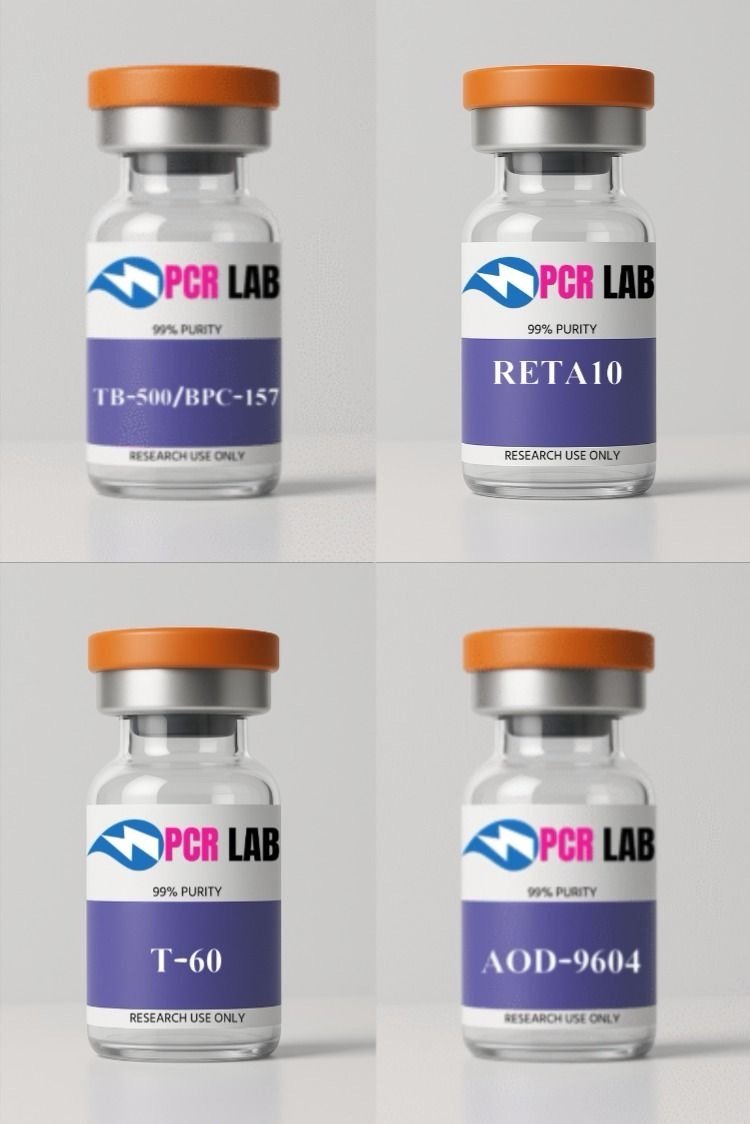
In modern biomedical and cosmetic research, peptides have become a cornerstone of innovation. Among them, GHK-Cu peptide stands out for its powerful role in supporting skin regeneration, wound healing, and anti-aging research. At PCR LABZ, we provide 99% purity research-grade GHK-Cu (100 mg/vial) to support laboratories and scientists in achieving accurate, reproducible results.
In this post, we’ll explore what GHK-Cu is, why it matters in skin research, its applications, and best practices for storage and handling.
What Is GHK-Cu Peptide?
GHK-Cu is a naturally occurring copper peptide complex first identified in human plasma. It consists of a small chain of three amino acids—glycine, histidine, and lysine—bound to a copper ion.
Researchers value GHK-Cu for its ability to:
Promote collagen and elastin production in skin tissue Support angiogenesis (formation of new blood vessels) Enhance wound healing in experimental models Reduce oxidative stress by modulating gene expression
These properties make it a vital tool for regenerative medicine and dermatological studies.
Key Research Applications of GHK-Cu
Skin Regeneration and Anti-Aging Studies Stimulates fibroblasts to produce collagen, improving skin elasticity. Reduces visible markers of aging in controlled in vitro studies. Wound Healing Research Accelerates tissue repair by promoting keratinocyte migration. Useful in animal studies exploring burn recovery and scarring. Hair Growth Investigations Preliminary studies show potential in stimulating hair follicles. Cellular Protection Reduces oxidative damage, supporting longevity-focused research.
Importance of Purity in Peptide Research
When working with peptides like GHK-Cu, purity directly impacts research accuracy. Low-quality peptides risk contamination, degraded results, or inconsistent data.
At PCR LABZ, our GHK-Cu peptide is >99% pure, ensuring reproducibility in both in vitro and animal model studies. This level of consistency is essential for laboratories that prioritize compliance and reliability.
Handling and Storage Guidelines
To preserve potency and stability, researchers should follow these best practices:
Storage temperature: Keep at –20°C (long-term) or 2–8°C (short-term). Avoid contamination: Use sterile instruments when reconstituting. Solubility: Reconstitute in sterile water or appropriate buffer. Single-use vials: Minimize repeated freeze–thaw cycles.
These precautions ensure maximum reliability in experimental results.
Why Choose PCR LABZ for Research Peptides?
High Purity: GHK-Cu peptide (100 mg/vial) with ≥99% purity. Reliable Supply: U.S.-based fulfillment with fast delivery. Research-Only Compliance: For laboratory use—not for human consumption. Customer Support: Dedicated team to assist labs and researchers.
Conclusion
The GHK-Cu peptide is more than just a laboratory material—it’s a powerful research tool that continues to advance our understanding of skin regeneration, wound healing, and anti-aging science.
If you’re conducting studies that require high-quality research peptides, PCR LABZ is here to provide reliable, pure, and consistent GHK-Cu peptides to support your projects.

Great article on GHK-Cu peptide and its applications in skin regeneration research! I found the mechanisms behind collagen stimulation and wound healing particularly fascinating. This makes me wonder – have any studies explored combining GHK-Cu with other regenerative peptides like BPC-157 for enhanced effects? I recently came across an interesting resource discussing BPC-157’s potential at https://mindbodyneurology.com/bpc-157-and-kpv_peptides-for-mcas/ that might provide complementary mechanisms. Would love to hear researchers’ perspectives on potential synergistic effects between these compounds in dermatological studies. What storage considerations would be needed for such combination research?